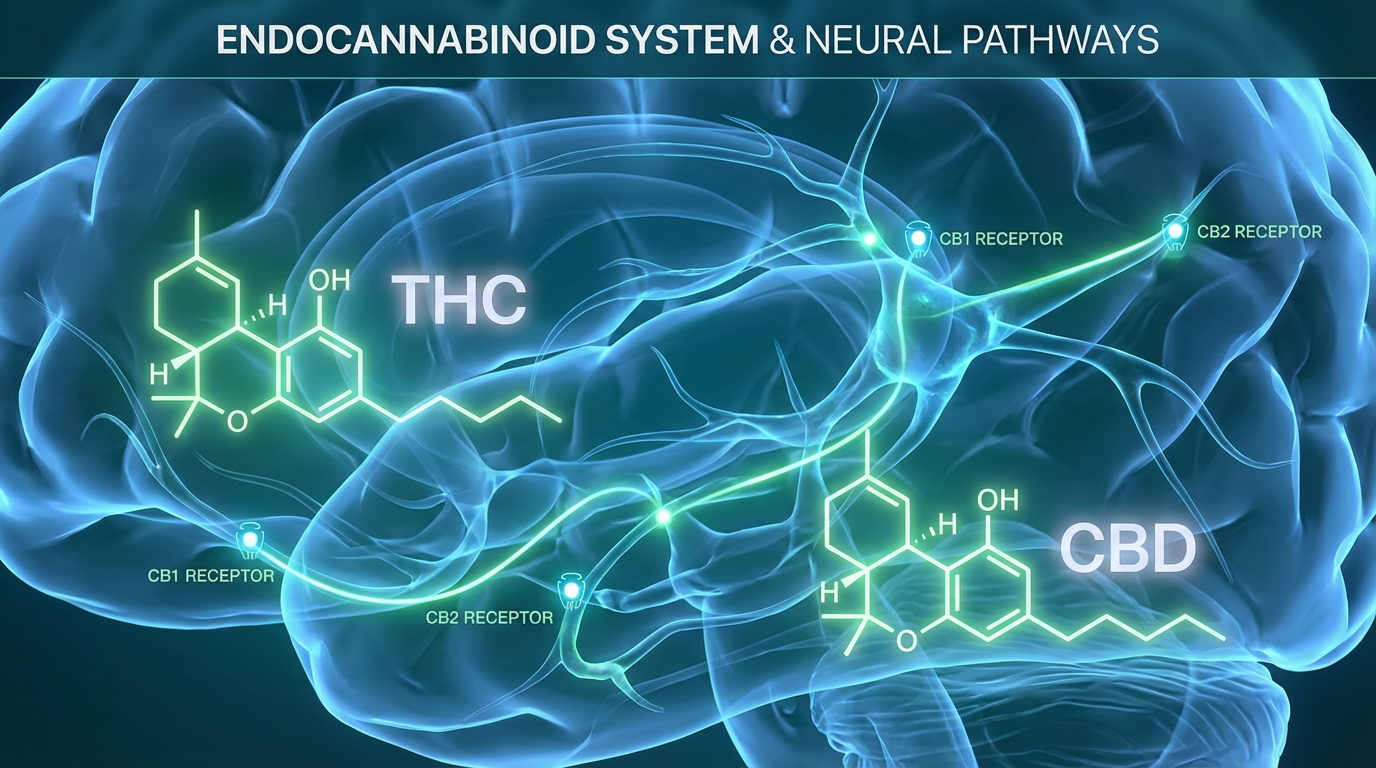
Whether you're seeking relief from chronic pain, managing anxiety, or supporting your overall wellness journey, our evidence-based resources help you make informed decisions about cannabinoid therapy.
At CBD Queen, our goal is to spread awareness of the positive effects of CBD.
Cannabis has shown promising results in managing various types of chronic pain, from neuropathic pain to arthritis. Learn about effective cannabinoid profiles, dosing strategies, and what the latest research reveals.
Explore Pain Relief →Discover how CBD and specific cannabinoid ratios can help manage anxiety, stress, and mood disorders. Understand the science behind cannabis's effects on the nervous system and find evidence-based approaches.
Learn About Mental Wellness →CBD has gained FDA approval for specific epilepsy conditions. Explore groundbreaking research on cannabinoids for seizure management, including dosing protocols and clinical trial results.
Discover Epilepsy Research →Learn how cannabinoids like CBN and specific THC:CBD ratios can improve sleep quality, reduce sleep latency, and address underlying causes of insomnia through endocannabinoid system regulation.
Improve Your Sleep →Explore how cannabis can help manage chemotherapy side effects, including nausea, pain, appetite loss, and anxiety. Access research on cannabinoids' potential anti-tumor properties and palliative care applications.
Cancer Care Resources →Understand cannabis's powerful anti-inflammatory properties and its potential for conditions like Crohn's disease, rheumatoid arthritis, and multiple sclerosis. Learn about immune system modulation through cannabinoids.
Anti-Inflammatory Benefits →Bei Nordic Oil (CBD Öl) können Sie sich darauf verlassen, dass Sie Produkte von höchster Qualität erhalten, die im Labor getestet wurden.

Cannabis contains over 100 different cannabinoids, each with unique properties and health benefits. Learn about the most researched and therapeutically valuable compounds.
Cannabidiol
Non-psychoactive compound known for anti-anxiety, anti-inflammatory, and neuroprotective properties. FDA-approved for epilepsy treatment.
Learn MoreTetrahydrocannabinol
Primary psychoactive compound with pain-relieving, appetite-stimulating, and anti-nausea effects. Used for various medical conditions.
Learn MoreCannabigerol
The "mother cannabinoid" with potential antibacterial, neuroprotective, and anti-inflammatory properties. Emerging research shows promise.
Learn MoreCannabinol
Mildly psychoactive cannabinoid known for sedative effects. Popular for sleep support and pain management applications.
Learn MoreStay informed with the most recent peer-reviewed research on cannabis medicine and cannabinoid therapeutics.
A double-blind, placebo-controlled study demonstrates significant reduction in seizure frequency among patients with Dravet syndrome and Lennox-Gastaut syndrome.
Read Full Study →Comprehensive analysis of cannabinoid efficacy for neuropathic pain, fibromyalgia, and arthritis shows moderate to significant pain reduction with minimal adverse effects.
Read Full Study →Real-world data from 1,200 patients reveals optimal cannabinoid ratios for anxiety management, with 1:20 THC:CBD showing best outcomes.
Read Full Study →Separate evidence-based facts from common misconceptions about cannabis and cannabinoid therapy.
"Cannabis is a gateway drug that leads to harder substance abuse."
Multiple longitudinal studies show no causal relationship between cannabis use and progression to other substances. The National Institute on Drug Abuse acknowledges that the majority of cannabis users do not progress to other drugs. In fact, some research suggests medical cannabis may help reduce opioid dependence.
"CBD and THC are the only cannabinoids that matter medically."
While CBD and THC are the most researched, over 100 cannabinoids exist with therapeutic potential. CBG shows antibacterial properties, CBN aids sleep, THCV may help with diabetes and appetite control, and CBC demonstrates anti-inflammatory effects. The "entourage effect" suggests cannabinoids work synergistically for enhanced benefits.
"Medical cannabis is just an excuse for recreational use."
Medical cannabis programs have strict qualifying conditions based on clinical evidence. FDA-approved cannabis-derived medications like Epidiolex demonstrate legitimate therapeutic value. Millions of patients worldwide use cannabis under medical supervision for conditions like epilepsy, chronic pain, PTSD, and chemotherapy side effects with documented clinical outcomes.
"You need to get 'high' for cannabis to be medically effective."
Many therapeutic benefits come from non-psychoactive cannabinoids like CBD, which doesn't produce intoxication. Even when THC is used medically, microdosing and specific ratios can provide symptom relief without significant psychoactive effects. Topical and sublingual applications can also deliver localized benefits without systemic intoxication.
Join thousands of patients, healthcare providers, and researchers accessing comprehensive, science-backed information on cannabinoid medicine.